
Our Recommended Packing List for Your Winter Hike
General Information About the Packing List
A packing list is always only a recommendation and should be adapted to the tour and your personal needs and preferences. After each tour, consider what you actually needed and what was missing so that you can improve your backpack contents for future use. Certain items, such as a first-aid kit and sun and rain protection, should always be carried.
In most cases, a 20–30 litre daypack should be sufficient. Pack heavy items close to your body and as high as possible around shoulder level. Emergency equipment should be quickly accessible. Your backpack should not weigh more than 6–8 kg.
On our guided hikes, we always carry a comprehensive first-aid kit and emergency equipment, so you do not need to bring these items on your tour.
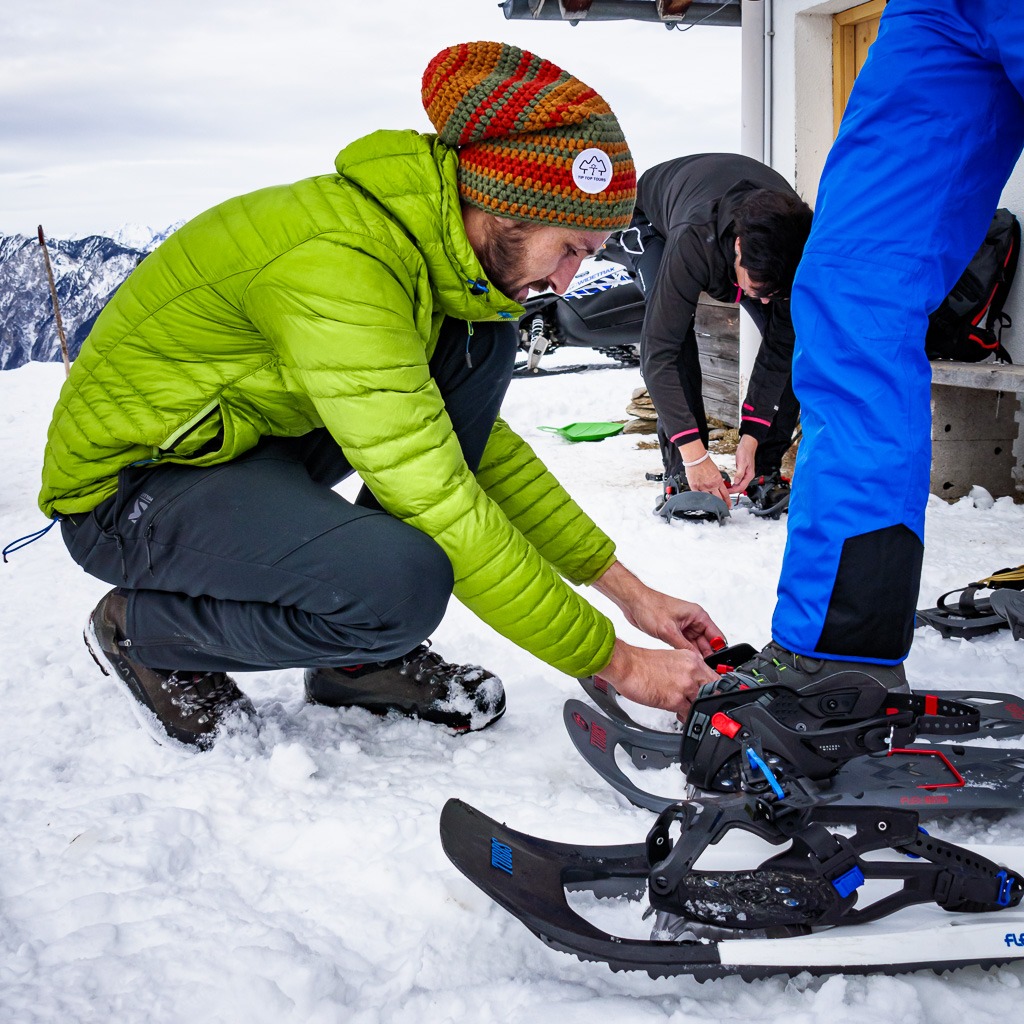
Depending on your chosen tour, additional equipment such as snowshoes and poles may be required.
Essentials for Winter Hikes
First Aid Kit
Fully Charged Mobile Phone
ID and Cash
Winter Jacket and Warm Waterproof Winter Trousers
Gloves and Hat
Sun Protection (Sunscreen, Sunglasses, etc.)
Headlamp
Maps and Guide Material (Digital if Preferred)
Warm Drinks
In the mountains and away from familiar infrastructure, you may need to rely on yourself in an emergency, and even making an emergency call can sometimes be impossible. Weather is especially important in winter and can change suddenly, making route conditions and navigation much more difficult and causing hypothermia very quickly.
We therefore recommend carrying the equipment listed above in your backpack at all times.

Clothing
Technical Underwear
Hiking or Ski Socks
Technical Shirt
Touring Trousers (Warm and Waterproof; Ski Trousers if Suitable)
Winter Boots
Gaiters
Mid Layer or Jumper
Insulated Jacket if Required
Comfortable, warm and waterproof winter boots are essential for winter hiking and snowshoeing. They support the foot and provide warmth and stability in all weather conditions. Warm waterproof winter boots are mandatory on our winter tours; unfortunately, we cannot take you on a tour without suitable footwear.
Your clothing should be functional and breathable. Especially in winter, a thick jacket can quickly make you sweat, which causes you to cool down much faster afterwards.
Optional & Personal Items
Snack or Packed Lunch
Hiking Poles
Microspikes if Required
Change of Clothes
Heat Pads or Hand Warmers
Rubbish Bag
Camera or Binoculars
GPS Device
Pocket Knife
Nature Guide or Identification Aids
Avalanche Safety Equipment
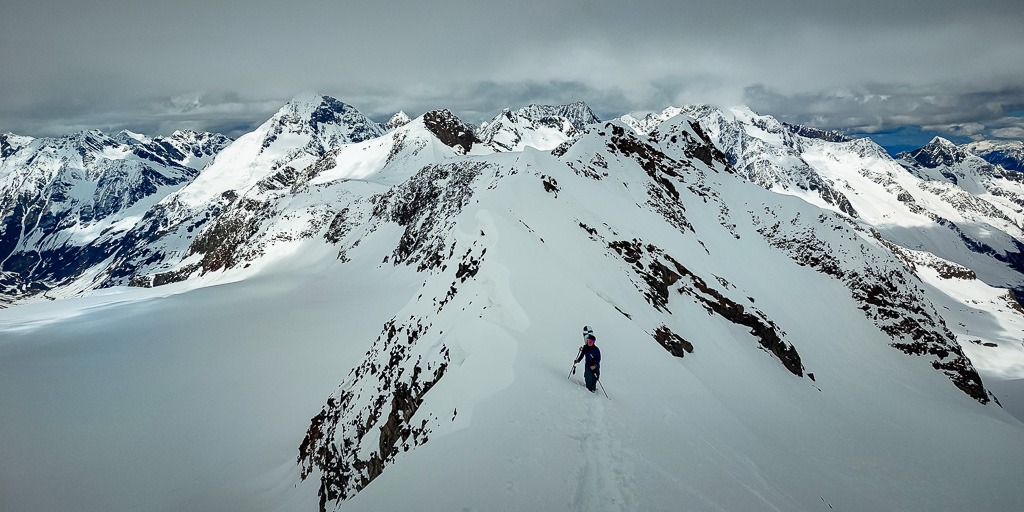
Depending on the tour, complete avalanche safety equipment may be required in winter. It may not be necessary on maintained winter hiking trails, but anyone venturing into open terrain should understand the fundamentals of avalanche awareness and carry a complete set: an avalanche transceiver, shovel and probe. Regular practice with the transceiver is essential so that you can react quickly and effectively in an emergency.
First Aid Kit
Personal Medication
Wound Dressings and Bandages
Plasters and Blister Plasters if Required
Triangular Bandage
Emergency Blanket
Heat Pads or Hand Warmers
Strong Adhesive Tape
Wound Closure Strips
Disinfectant
Multi-Purpose Knife or Scissors
Also Useful:
Safety Pin, Lighter, Toilet Paper, Self-Adhesive Fabric Patch, Israeli Bandage, etc.